Common Septic System Problems That Cause Backups and Overflows in Hesperia
If sewage is backing up into a tub, a tenant is calling about a smell, or a tank lid is overflowing when you open it, you are not dealing with a mystery. The most common septic system problems trace back to a short list of causes, and understanding septic backup causes helps you recognize what each one looks like and tell the difference between a job a pump truck can fix and a problem that needs repair. Most of them start the same way: the tank went too long without service.
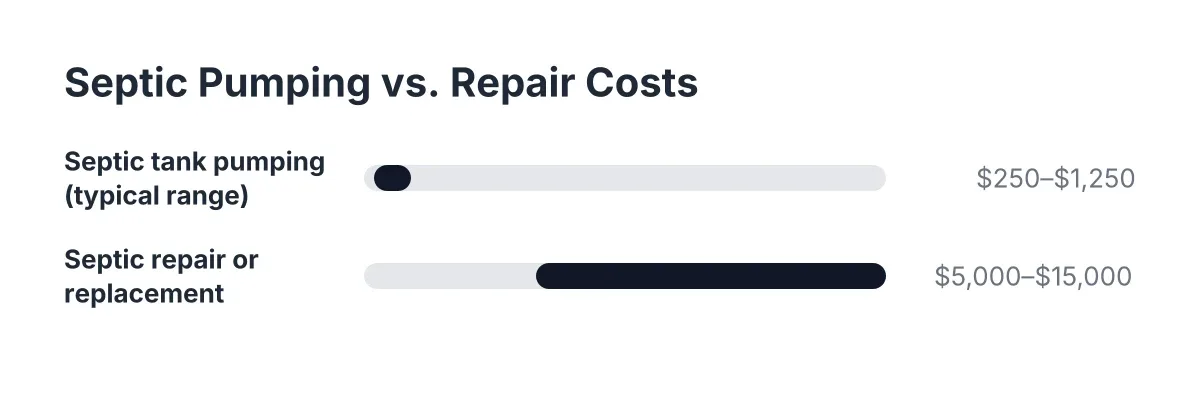
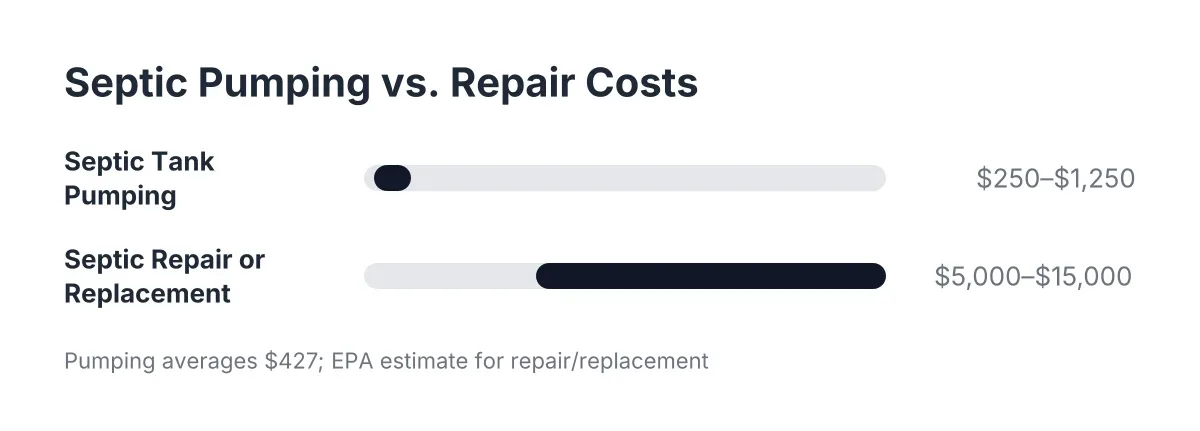
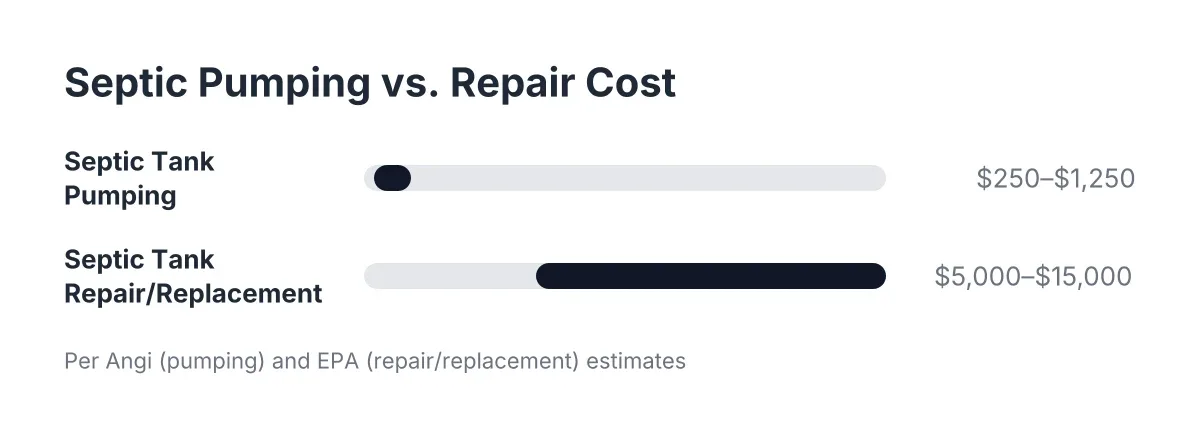
That distinction matters for your wallet. According to Angi data, septic tank pumping averages $427, ranging from $250 to $1,250 or more depending on tank size and location. Repair or replacement is a different category entirely; the EPA estimates septic tank repair or replacement typically runs $5,000 to $15,000. Knowing which problem you have helps you avoid paying for the second when the first would do.
Recognizing Septic Backup Causes: Tank and Line Issues
The single most common cause of septic backups is a tank that went years past its pumping interval. Solids build up as sludge on the bottom and scum on top, and eventually there is nowhere for incoming wastewater to go except back up the pipe toward your lowest drains. According to Penn State Extension, an active family of four should generally pump every two to three years because of the higher solids and liquid load.
This is the problem behind most emergency calls. The warning signs show up in a predictable order: gurgling toilets that drain slowly, then wastewater rising in the lowest fixture in the building, usually a tub or shower. If you bought a home or took over a rental and have no pumping records, assume the tank is overdue until a crew opens it and tells you otherwise.
2. A Clogged Inlet Baffle Blocking Flow Into the Tank
Septic tanks use a baffle at both the inlet and outlet, a downward-facing tee with a pipe section that stops solids from floating straight through and forces them to settle, according to University of Nebraska-Lincoln Extension. When the inlet baffle clogs with grease, wipes, or a thick scum mat, wastewater cannot enter the tank at all, and the line backs up toward the house.
According to the Washington State Department of Health, a clogged inlet baffle is a common cause of septic backups and should be one of the first things checked when troubleshooting a blocked line into the tank. The good news: this is often one of the cheaper fixes on this list. A crew clearing the baffle during a pump-out can resolve a backup that looked like a system failure from inside the house.
3. A Dirty or Blocked Effluent Filter
Many tanks have an effluent filter on the outlet side that screens solids before liquid leaves for the drain field. When that filter cakes over, the tank cannot release water, the level rises, and drains throughout the building slow down or back up. When a system backs up, the two most likely culprits are a clogged effluent filter that needs cleaning or a failing drain field, and the filter is by far the better news.
For landlords, this is a frequent story. Say a tenant reports slow drains in every fixture of a Hesperia rental. In that scenario, a crew that opens the tank and finds a blocked filter can clean it, pump the tank, and have the property draining normally the same visit, with no digging and no repair bill.
4. A Failing or Saturated Drain Field
The drain field is where most expensive septic system failures actually live. In a conventional system, the tank and the drain field are the two main components, according to the U.S. Environmental Protection Agency, and the drain field is the half you cannot fix with a pump truck. When soil becomes oversaturated or a biological slime layer blocks absorption, treated liquid has nowhere to go.
There is a telltale sign crews watch for: if effluent drains backward from the drain field into the tank while it is being pumped, the field is not absorbing. Soggy ground or sewage odor over the field area points the same direction. A pump-out buys time in this situation, but it does not fix the field; this is the scenario where you want a professional diagnosis before spending anything on repairs.
5. Too Much Water Entering the System
Hydraulic overload is a quiet problem that mimics tank failure. A septic system can only process so much water per day, and when laundry, long showers, and plumbing leaks exceed that capacity, solids get pushed toward the drain field before they can settle. A single leaky or running toilet can add as much as 200 gallons of extra water per day to a septic system, according to the U.S. Environmental Protection Agency.
For a non-residential example, suppose you run a small RV park or manage a rental with a holding tank. Guests doing back-to-back laundry loads or a toilet flapper stuck open can overwhelm a system that was fine the week before. Fixing the leak and spreading out water use often resolves the symptom without any repair at all.
6. Flushing and Draining the Wrong Things
Wipes, grease, feminine products, paper towels, and harsh chemicals are behind a large share of common septic tank problems. Wipes and paper products do not break down and build a solids layer faster than the tank was designed for. Grease is the worst offender for restaurants and rentals with heavy kitchen use; it hardens in baffles, filters, and lines.
If a system gets loaded with the wrong materials long enough, it fills up and backs up into the building, and only pumping clears it. A few habits cut the risk sharply:
- Flush only human waste and toilet paper; "flushable" wipes still clog baffles and filters.
- Scrape grease and food scraps into the trash, never the drain.
- Skip drain cleaners and heavy bleach loads that kill the bacteria the tank depends on.
- For food businesses, keep the grease trap on a real pumping schedule instead of waiting for an inspector to flag it.
7. Broken Baffles, Settled Pipes, and Structural Damage
Not every problem comes from what goes into the tank. Baffles corrode and break off, especially in older concrete tanks, which lets solids flow straight into the outlet and clog the drain field. Pipes can settle or crack where they enter the tank; according to Onsite Installer, fill around the pipe penetration must be compacted thoroughly during installation to prevent settling damage at that connection.
Outlet geometry matters too. According to University of Nebraska-Lincoln Extension, the outlet pipe must sit lower than the inlet, because solids float on top of the liquid and only liquid should exit toward the drain field. Damaged baffles and settled pipes are repair work, not pumping work, but a pumping crew usually spots them first, since the inside of an open tank tells the whole story.
8. Failed Floats, Pumps, and Alarm Components
Systems with pumps, float switches, or other mechanical parts add their own failure points. A stuck float or dead pump means effluent cannot move where it needs to go, and the first symptom is often an alarm going off at an inconvenient hour. The U.S. Environmental Protection Agency recommends that alternative systems with electrical floats, pumps, or mechanical components be inspected once a year.
If an alarm sounds, cut back on water use immediately and treat it as a same-day issue. An alarm is the system telling you it is hours or days from a backup, not weeks. This is also the one category on this list where a general handyman is the wrong call; septic pump and float work needs someone who services these systems regularly.
How to Tell Which of These Common Septic System Problems You Have
You can narrow the cause from the symptoms before anyone opens the tank. Slow drains and gurgling across the whole house point to the tank or the line into it. A wet, smelly patch of yard over the field points to the drain field. Overflow at the tank lid is never normal; a functioning tank should not be overflowing when opened, and that sight means the system needs pumping or repair now.
Here is a quick way to read the signs:
- One slow fixture only: likely a plumbing clog inside the building, not the septic system.
- All drains slow, lowest fixture backing up: full tank, clogged inlet baffle, or blocked effluent filter.
- Odor or soggy soil over the drain field: field saturation or failure.
- Alarm sounding on a pump system: float or pump trouble; reduce water use and call that day.
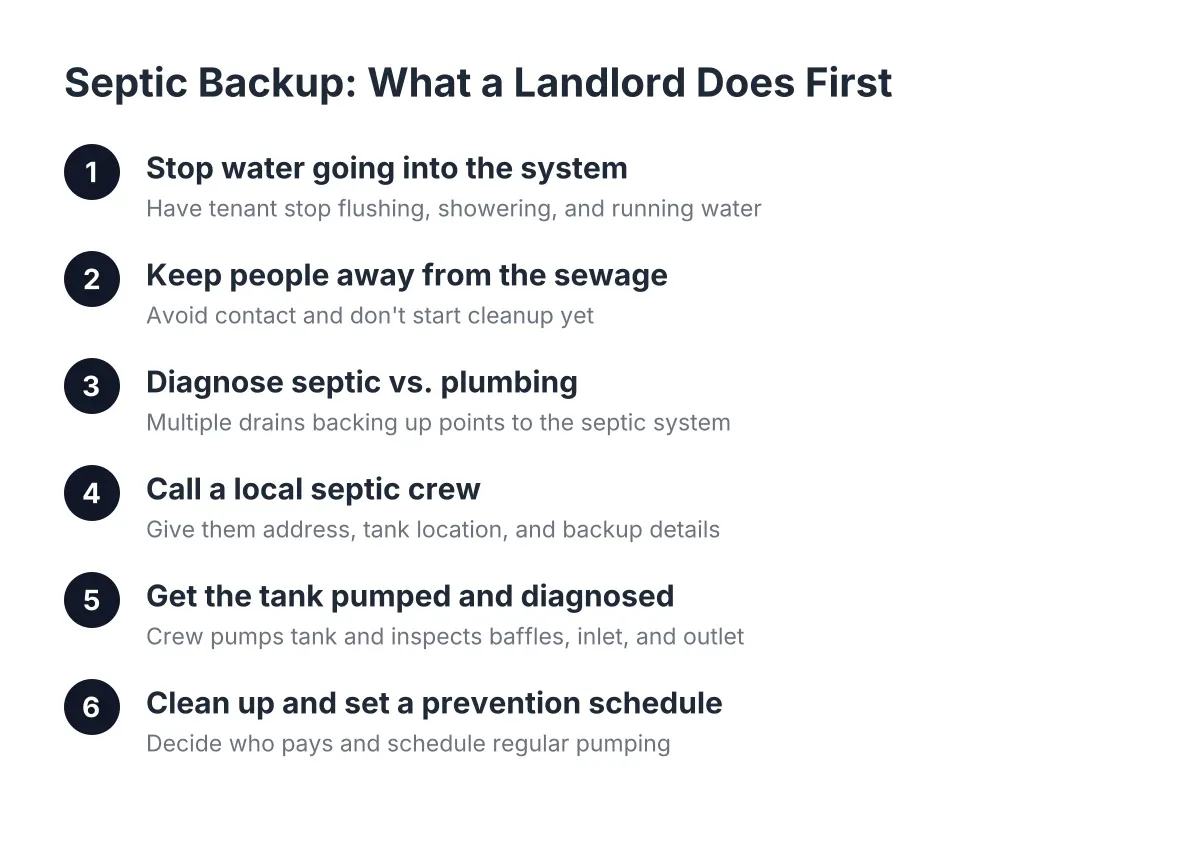
- Sewage visible at the tank lid or cleanout: stop using water and get a crew out.
Searching for septic companies near me under pressure makes it tempting to grab the first result. However, it pays to confirm the crew actually handles your situation, whether that is a residential backup, a rental property, a grease trap, or an RV holding tank, and that they will tell you what they found inside the tank rather than just hauling waste and leaving.
What a Pump-Out Visit Can and Cannot Fix
Pumping resolves the problems caused by accumulation: a full tank, a scum-clogged inlet baffle, and a dirty effluent filter. During the visit, a crew removes the settled solids, and in a healthy system, the EPA notes, a single pipe carries all household drains to the tank, solids settle out for removal by pumping, and liquid flows on to perforated pipes in the drain field. A pump-out also gives the crew a look at baffle condition, liquid levels, and whether the field is pushing water back.
What pumping cannot fix is a saturated drain field, broken baffles, settled pipes, or dead mechanical components. Those need diagnosis and repair, and in some cases a licensed installer rather than a pumping operation; according to the New Hampshire Department of Environmental Services, septic installation work requires separate licensing covering soil types, percolation rates, and system design. When you call around and check septic tank pumping near me prices in 2026, keep the two categories straight: a few hundred dollars for pumping is routine, while quotes in the thousands should come with a clear explanation of what failed and why.
For Hesperia homeowners, landlords, and small business operators, the pattern across all eight of these common septic system problems is the same. Systems that get pumped on schedule and fed only what they are built for rarely make this list. Systems that get ignored eventually pick a problem, and it usually announces itself through the lowest drain in the building at the worst possible time.
If you need your septic tank serviced, Hesperia Septic can help.
Prefer to talk it through? Call (760) 249-7872 — a quick call is usually the fastest way to get a straight answer for your situation.