Professional Septic Pumping vs. DIY: Time, Cost, and Risks for Hesperia Homes
When your toilet gurgles and a wet spot shows up over the tank, the professional septic pumping vs. DIY question gets real fast. Understanding the risks of DIY septic pumping is important before you decide. Renting equipment and pumping your own tank sounds like a way to save a few hundred dollars. In practice, it usually costs more time, carries legal problems, and skips the one thing you actually need: someone who can tell you whether this is a quick pump or a drain field failing. This guide walks through the decision step by step so you can act before panic sets in.
More than one in five U.S. households depend on individual septic systems or small community cluster systems to treat their wastewater, according to the U.S. Environmental Protection Agency. Out here in Hesperia and the High Desert, that share runs high. So this is a decision a lot of your neighbors have already faced.
Step 1: Read the Symptoms Before You Touch Anything
First, figure out what the system is telling you. The symptom pattern decides whether you have a maintenance job or an emergency, and whether DIY is even on the table.
Here is how the common warning signs usually sort out:
- Slow drains throughout the house. If every fixture drains slowly, the problem sits at the tank or beyond, not in one pipe. A full tank is the most common cause.
- Sewage smell in the yard. A septic tank smell in the yard near the tank lid can mean the tank is at capacity. A smell over the drain field points to a bigger problem.
- Wet spot over the septic tank or drain field. Standing water or a soggy, green patch when the rest of your lot is dry High Desert dirt is a red flag. If it sits over the drain field, pumping alone may not fix it.
- Backup into the house. Sewage coming up in a tub or floor drain means the tank or line is full right now. This is the emergency case.
- Septic alarm going off. On systems with pumps or floats, an alarm means a component failed or the tank is overfilled. Do not ignore it.
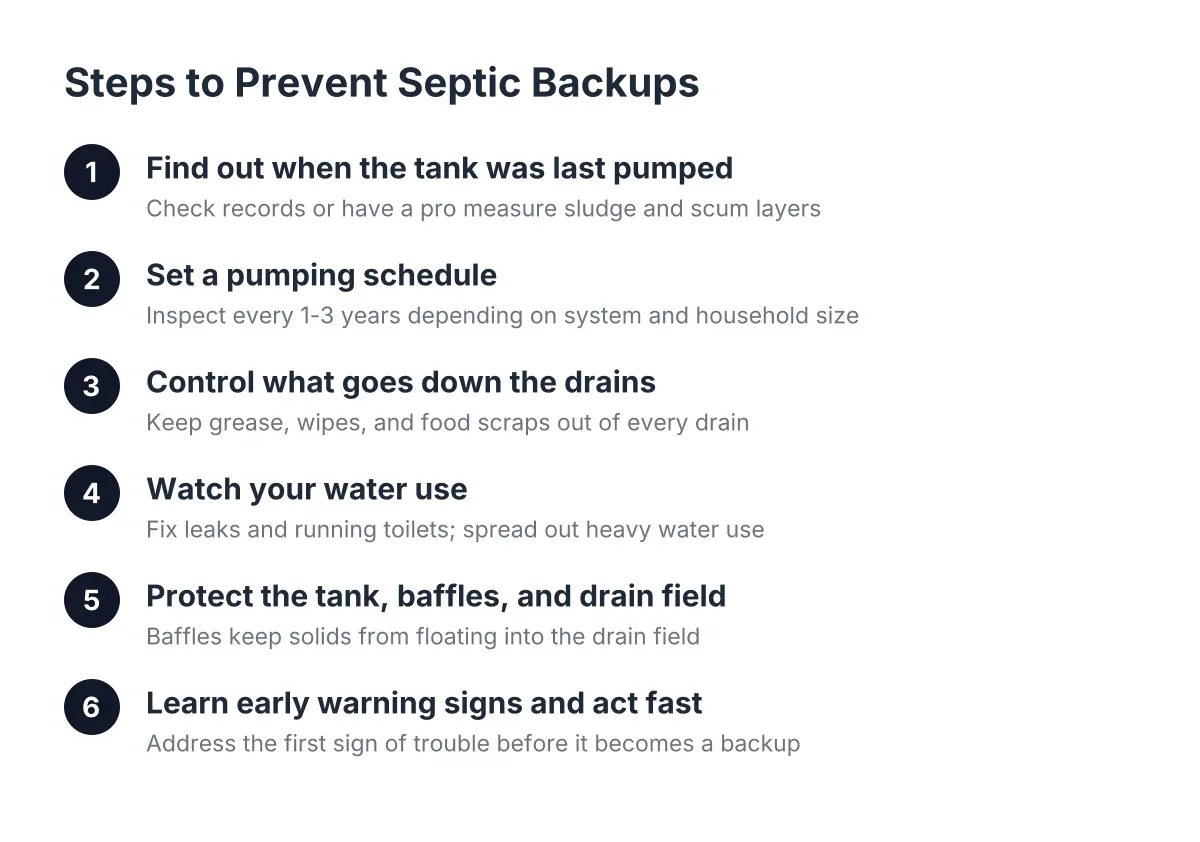
A typical residential septic system has two main parts, according to US EPA: a tank that clarifies wastewater and a drain field that disperses the clarified liquid into the soil. Symptoms at the tank are often fixable with pumping. Symptoms out in the drain field usually are not, and no rented pump will change that. This is the core of septic system troubleshooting: match the symptom to the component before you spend money on either path.
Step 2: Cut Water Use and Stop the Immediate Damage
Next, slow the system down while you decide. Every gallon you send down the drain right now has nowhere good to go.
Stop laundry, dishwashers, and showers. Flush only when you must. If sewage is backing up into a tub or shower, keep people and pets away from it; raw sewage is a health hazard, not just a mess. If there is a wet spot in the yard, rope it off or keep kids and dogs out of that area.
This step buys you hours, sometimes a day. It does not fix anything, but it keeps a bad Saturday from becoming a ruined floor.
Step 3: Price Out the DIY Rental Honestly
The Real Risks of DIY Septic Pumping vs. Professional Options
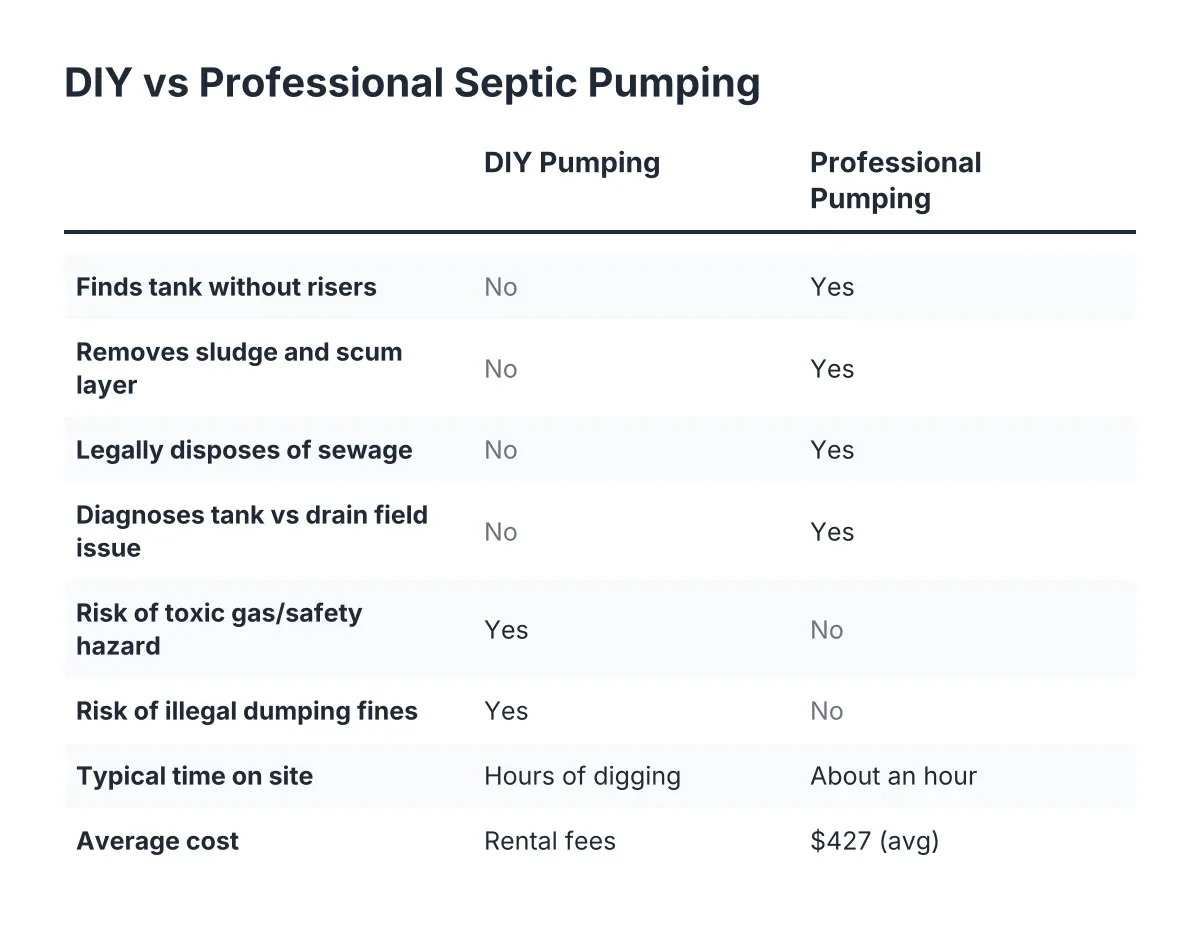
DIY septic pumping means locating and digging up your tank lid, renting a trash pump or hiring a pump truck you operate yourself, removing both the floating scum layer and the settled sludge, and then legally disposing of hundreds of gallons of raw sewage. Professional septic pumping handles all of that in one visit, usually in about an hour of on-site work.
Walk through the DIY list honestly:
- Finding the tank. Many Hesperia tanks have no risers. You may be probing and digging through compacted desert soil for hours just to expose the lid. Septic tank locating is a service on its own for a reason.
- The right equipment. A rented trash pump moves liquid. It does not pull the thick sludge off the bottom or break up the scum cap on top, and those solids are what cause backups in the first place. Pumping out only the liquid leaves the real problem in the tank.
- Disposal. This is where DIY septic pumping risks become most apparent. Septic waste pumped from residential tanks is trucked to a sewage treatment plant for disposal, according to New Hampshire Department of Environmental Services. You cannot legally dump it on your property, in a ditch, or down a storm drain. Illegal dumping of sewage can bring fines that erase any savings many times over.
- Safety. Open septic tanks produce gases that can knock a person out, and people have died falling into tanks. Never lean over or enter an open tank.
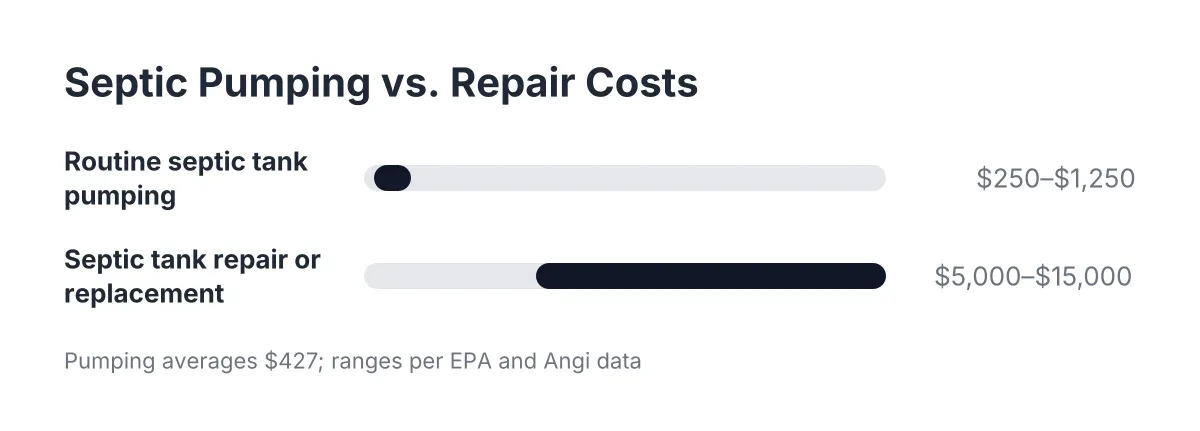
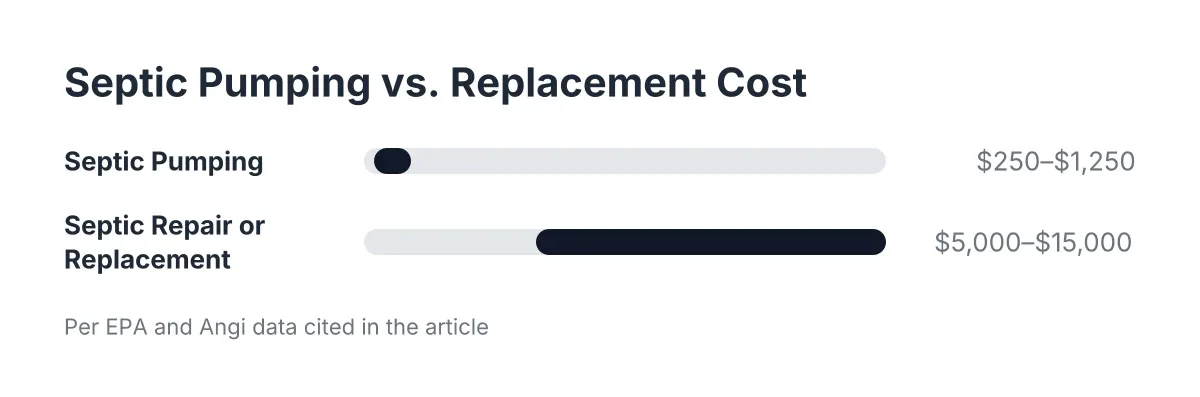
Now compare the professional side. According to Angi data, septic tank pumping averages $427, ranging from $250 to $1,250 or more depending on tank size and location. For that, a crew locates the tank, opens it, removes scum and sludge, looks at the tank's condition while it is open, and hauls the waste away legally.
Suppose a Hesperia homeowner rents a pump for a weekend, spends six hours digging and pumping, and still has 18 inches of sludge on the tank floor plus a few hundred gallons of sewage with no legal place to put it. In that scenario, the rental saved nothing. The tank backs up again within weeks, and now the pump truck comes out anyway.
Step 4: Decide Between Professional Pumping and a DIY Attempt
When Professional Septic Pumping Beats DIY Every Time
Professional septic pumping wins over DIY in any situation involving a backup, a drain field symptom, an alarm, or a tank you cannot locate. The cost gap is small, the risk gap is huge, and the pro visit includes a diagnosis that a rented pump cannot give you.
Call a professional without a second thought if any of these apply:
- Sewage is backing up into the house. This is emergency septic pumping territory, not a weekend project.
- There is a wet spot or odor over the drain field. Drain field failure symptoms need expert eyes, because the fix may not be pumping at all.
- You do not know where your tank is, or the lids are buried deep.
- The system has a pump, floats, or an alarm. The U.S. Environmental Protection Agency recommends that systems with electrical floats, pumps, or mechanical components be inspected once a year by a professional.
There is a legitimate DIY lane, and it is maintenance habits, not pumping. Watching water use, keeping grease and wipes out of the drains, and keeping records of past service are all things you do yourself. Skip the additive products, though. Commercial septic tank additives marketed to dissolve sludge lack strong scientific backing, according to Washington State University Extension. The tank is a biological system; regular pumping protects it better than anything in a bottle.
One honest trade-off: if your tank lacks risers, even a professional visit costs more because of the digging. In that case, ask the crew about installing risers while the tank is open. It often pays for itself on the next visit.
Step 5: Get the Most Out of the Service Visit
Since you have decided to bring in a crew, set the visit up to answer your biggest question: is this a one-time pump or a bigger problem?
Before the truck arrives, do these things:
- Mark where you think the tank is, or pull any old service records or a property diagram if you have one.
- Clear vehicles and gates so the truck can get within hose range of the tank.
- Write down the symptoms with dates. "Slow drains started two weeks ago, smell in the yard since Tuesday" helps the crew diagnose faster.
- Ask them to check the tank's condition, the baffles, and the liquid level before pumping. A tank that is overfull versus one at normal level tells a different story about your drain field.
While the tank is open, ask direct questions. Is the sludge level normal for the time since the last pump? Does the inlet show signs of a line clog? Did the liquid level suggest the drain field is taking water? Honest answers to those three questions tell you whether you are done or whether an inspection of the drain field comes next. One caveat: a pump-out visit is not a full system inspection, and a crew cannot see underground drain field damage from the tank alone. If symptoms continue after pumping, a dedicated septic system inspection is the next step, not a second pump-out.
Step 6: Put the System on a Schedule So This Does Not Happen Again
Finally, turn a stressful week into the last one of its kind. The cheapest septic service is the one you plan.
The U.S. Environmental Protection Agency recommends a professional inspection at least every three years for the average household. For an active family of four, pumping every two to three years is generally advisable, according to Penn State Extension, because more people means more solids and more water through the tank.
The math favors the schedule. Routine pumping runs a few hundred dollars. The EPA estimates septic repair or replacement typically costs $5,000 to $15,000. A homeowner who pumps on schedule through 2026 and beyond spends a fraction of what one failed drain field costs. Set a reminder, keep your receipts, and note the sludge level the crew reports each visit. That record is the difference between managing a septic system and getting surprised by one.
If you need your septic tank serviced, Hesperia Septic can help.
Prefer to talk it through? Call (760) 249-7872 — a quick call is usually the fastest way to get a straight answer for your situation.